
Advanced Nucleic Frameworks for Genomic Elucidation
Advancing Genetic Understanding Through Molecular Research and Scientific Innovation
The exploration of genetic information continues to transform modern biological research, molecular diagnostics, and biotechnology development. Through advanced nucleic acid methodologies and integrated genomic approaches, scientific investigation can uncover complex biological mechanisms, improve the understanding of genetic variation, and support the development of increasingly precise analytical solutions.
Our scientific approach focuses on the study, characterization, and interpretation of nucleic acids through reliable molecular technologies. By combining methodological expertise, innovative research strategies, and rigorous analytical practices, we aim to contribute to a deeper understanding of genetic structures and their biological significance.
From fundamental molecular investigations to advanced genomic applications, our commitment is centered on scientific accuracy, technological progress, and the continuous development of research capabilities.

Exploring the Molecular Foundations of Genetic Information
Genetic information provides the essential molecular instructions governing cellular organization, biological development, and numerous physiological processes. Understanding its structure, organization, and regulation requires sophisticated analytical approaches capable of examining nucleic acids at different levels of biological complexity.
Our research-oriented perspective encompasses DNA and RNA characterization, genetic sequence analysis, molecular identification, and the investigation of genomic variability. These complementary approaches provide valuable foundations for studying biological systems and interpreting molecular characteristics.
Through a structured understanding of nucleic acid organization, researchers can investigate genetic relationships, examine molecular alterations, and explore the mechanisms involved in biological regulation.

Integrated Approaches to Molecular and Genomic Investigation
Modern genomic research relies on the integration of complementary analytical technologies. Molecular characterization, sequence-based investigation, and advanced laboratory methodologies contribute to a more comprehensive interpretation of genetic material.
Our scientific framework encompasses several interconnected areas:
Each area contributes to a broader understanding of genetic information and its applications across modern life sciences.

Nucleic Acid Analysis: Exploring DNA and RNA structures, molecular composition, integrity, and biological characteristics.

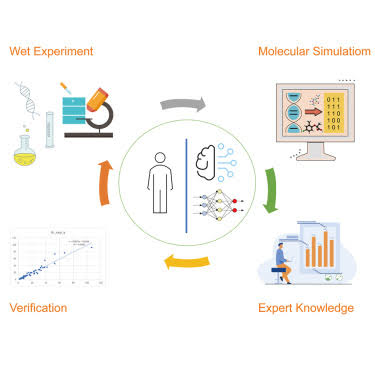
Molecular Research Development:
Supporting the continuous improvement of analytical methodologies and experimental strategies.
Molecular Characterization: Investigating biological samples using established molecular techniques and reproducible analytical procedures.

Genomic Investigation: Examining genetic sequences, molecular variations, and genomic organization through advanced analytical approaches.
Advancing DNA and RNA Research
DNA and RNA represent fundamental components of molecular biology, providing essential information about genetic organization, cellular activity, and biological regulation.
Their investigation requires appropriate extraction, purification, amplification, and characterization methodologies. Techniques such as polymerase chain reaction, quantitative real-time PCR, electrophoretic analysis, and sequencing technologies have significantly expanded the possibilities of molecular research.
The integration of these methodologies allows researchers to investigate genetic sequences, assess nucleic acid quality, and examine molecular characteristics with increasing analytical precision.
Continuous developments in molecular technologies are also creating new opportunities for studying complex biological systems and expanding the scope of genomic investigation.learn more
Genomic Technologies and Analytical Development
The development of genomic technologies has introduced new possibilities for examining biological information at different levels of complexity. High-throughput sequencing, molecular amplification, bioinformatics, and computational sequence analysis contribute to the generation and interpretation of extensive genetic datasets.
These technologies support multiple research directions, including:
By integrating experimental methodologies with computational approaches, genomic research can provide a more detailed understanding of molecular relationships and biological processes.
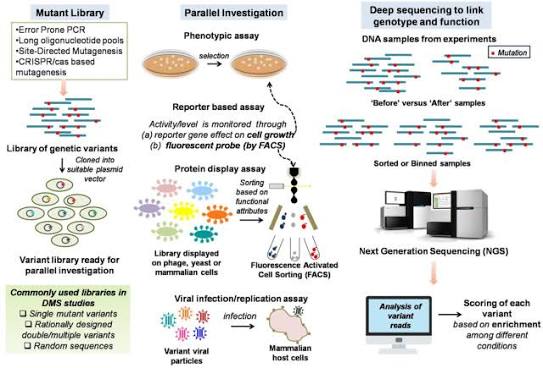
Genetic sequence identification and comparison

Molecular variation and polymorphism investigation.
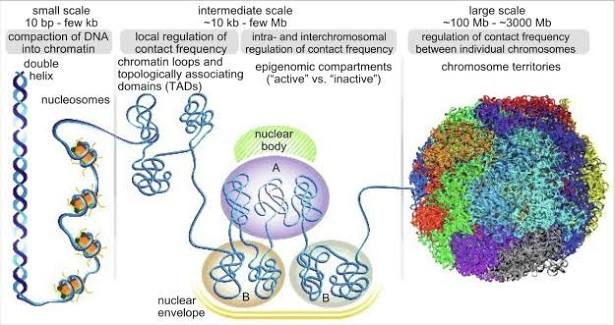
Genome organization and structural analysis.
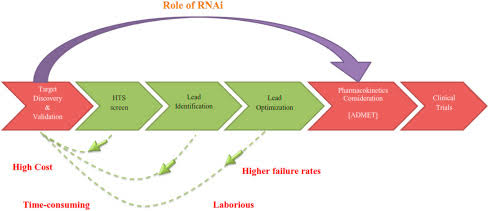
Gene expression studies and transcriptomic research.
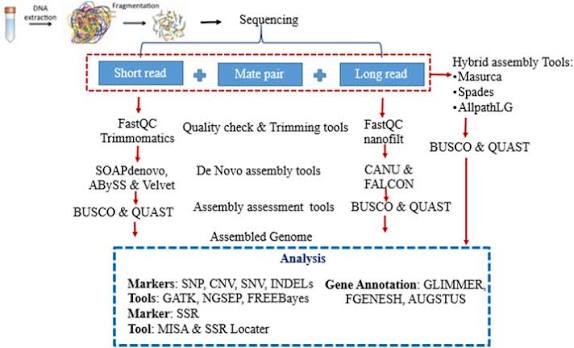
Bioinformatics-assisted genomic interpretation.
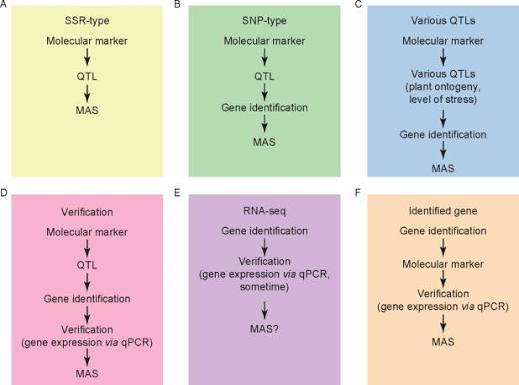
Molecular marker investigation and characterization.

Supporting Scientific Progress Through Methodological Reliability
Reliable molecular research depends on more than advanced equipment and analytical technologies. Experimental consistency, appropriate methodological selection, sample integrity, and rigorous data interpretation remain essential elements of scientific quality.
A structured research environment encourages reproducible experimental procedures, systematic documentation, and the careful evaluation of analytical results.
Our scientific philosophy emphasizes the importance of:
Methodological consistency throughout molecular investigations.
Appropriate handling and preparation of biological samples.
Reliable nucleic acid extraction and purification procedures.
Careful evaluation of experimental parameters.
Accurate interpretation of molecular findings.
Continuous methodological improvement.
These principles contribute to stronger research foundations and support the responsible development of molecular and genomic applications.
Applications Across Modern Life Sciences
Genetic and molecular investigation has become increasingly important across a wide range of scientific disciplines. Advances in nucleic acid technologies contribute to research in biotechnology, pharmaceutical development, biomedical sciences, microbiology, and molecular diagnostics.
Biotechnology Research
Genomic characterization and molecular analysis support the investigation of biological systems, genetic resources, and emerging biotechnological applications.
Biomedical Research
The examination of genetic sequences and molecular variations provides valuable information for investigating biological mechanisms and disease-associated molecular processes.
Pharmaceutical Development
Molecular methodologies contribute to research activities involving biological targets, genetic markers, therapeutic development, and the characterization of biological materials.
Molecular Diagnostics
Nucleic acid-based analytical approaches support the development and investigation of molecular detection strategies and genetic testing methodologies.
Microbiology and Genomics
Genetic sequence analysis enables the investigation of microbial diversity, molecular identification, evolutionary relationships, and genomic characteristics.

Connecting Experimental Research With Bioinformatics
The increasing volume and complexity of genomic information have made computational analysis an essential component of modern molecular research.
Bioinformatics provides tools for organizing, comparing, processing, and interpreting genetic sequence data. Through specialized analytical pipelines and biological databases, researchers can examine molecular relationships and identify meaningful patterns within complex datasets.
The combination of laboratory-based experimentation and computational investigation strengthens the overall research process. It also creates opportunities for more comprehensive studies involving genome annotation, sequence alignment, genetic variation, and gene expression analysis.
Integrating experimental observations with computational interpretation represents an important direction in the evolution of contemporary genomic science.
A Commitment to Scientific Innovation and Continuous Development
Scientific progress requires an ongoing commitment to methodological advancement, technological adaptation, and knowledge development.
As molecular biology continues to evolve, emerging analytical platforms and genomic technologies are expanding the possibilities of genetic investigation. Improvements in sequencing approaches, molecular detection systems, and computational analysis are contributing to increasingly detailed biological research.
Our perspective is built around scientific curiosity, analytical rigor, and the continuous exploration of molecular technologies. By emphasizing reliable methodologies and an integrated understanding of genetic information, we support the broader advancement of research across the life sciences.

Building New Perspectives in Molecular Genetics
The future of genomic research will depend on the ability to connect molecular discoveries with innovative analytical strategies. Greater understanding of nucleic acid structures, genetic variability, and biological regulation will continue to influence scientific investigation and technological development.
Advanced molecular methodologies offer valuable opportunities to explore previously inaccessible biological questions, improve experimental approaches, and strengthen the interpretation of genetic information.
Through a combination of scientific knowledge, analytical development, and technological progress, molecular research continues to establish new foundations for understanding biological complexity.