
DNA and RNA are essential molecules that support the organization, expression, and regulation of genetic information in living organisms. Their structures and biological functions provide the foundation for understanding cellular processes, inheritance, molecular regulation, and biological development.
Modern genetics relies on advanced molecular technologies to investigate these molecules, examine genetic variations, and explore the mechanisms responsible for biological activity. From DNA sequencing to RNA expression analysis, scientific developments have significantly improved the ability to study genetic information and understand its role in complex biological systems.
The exploration of DNA and RNA continues to contribute to molecular biology, biotechnology, biomedical research, and the development of innovative analytical approaches.
1. Understanding the Structure of DNA and RNA
DNA and RNA are nucleic acids composed of smaller units called nucleotides. Each nucleotide contains a sugar molecule, a phosphate group, and a nitrogenous base. Although both molecules share similar chemical components, their structures and biological functions differ.
DNA, or deoxyribonucleic acid, generally exists as a double-stranded helix. Its nitrogenous bases include adenine, thymine, cytosine, and guanine. The complementary pairing of these bases allows genetic information to be stored and replicated.
RNA, or ribonucleic acid, is generally single-stranded and contains uracil instead of thymine. It participates in several biological processes, particularly the expression and regulation of genetic information.
Understanding these structural characteristics is essential for investigating molecular interactions, genetic stability, and cellular activity.
2. The Biological Functions of DNA
DNA serves as the primary storage molecule for hereditary information. It contains genes and regulatory sequences that contribute to cellular organization, development, and biological function.
During cell division, DNA replication ensures that genetic information is transmitted to newly formed cells. This process depends on specialized enzymes and molecular mechanisms that maintain the accuracy of genetic transmission.
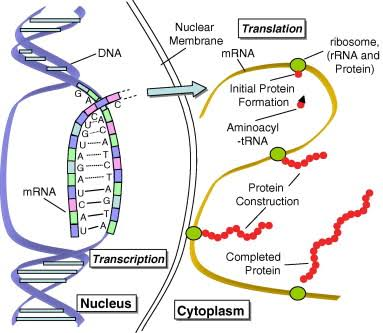
DNA also provides the information required for RNA synthesis. Through transcription, specific DNA sequences are copied into RNA molecules, allowing genetic instructions to participate in different cellular activities.
Changes in DNA sequences, known as genetic variations, may influence biological characteristics and cellular functions. Their investigation is important in genetics, molecular diagnostics, and biomedical research.
3. Exploring the Different Types of RNA
RNA exists in several forms, each contributing to specific biological functions.
Messenger RNA (mRNA)
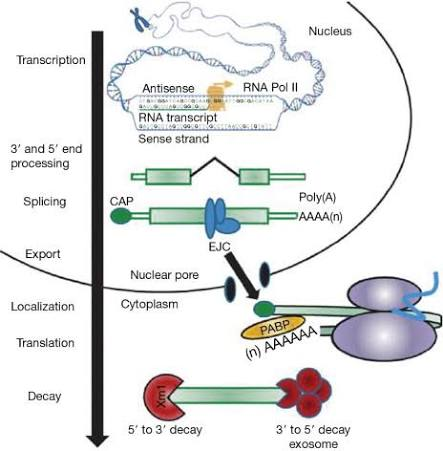
Messenger RNA carries genetic instructions from DNA to ribosomes, where proteins are synthesized. It acts as an intermediary between stored genetic information and protein production.
Transfer RNA (tRNA)
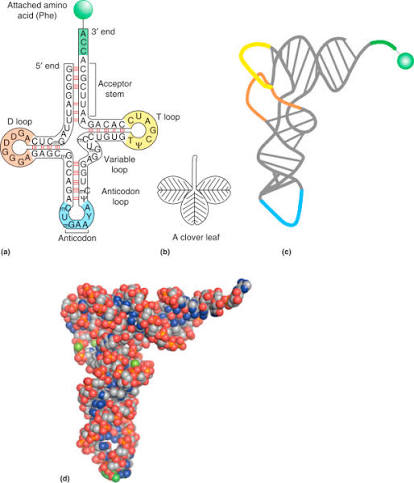
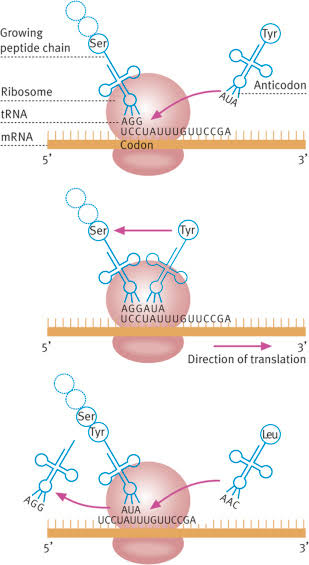
Transfer RNA participates in protein synthesis by transporting amino acids to ribosomes. Its anticodon recognizes complementary codons on messenger RNA, supporting the correct assembly of amino acids.
Ribosomal RNA (rRNA)
Ribosomal RNA forms an essential structural and functional component of ribosomes. It contributes to the organization of the protein synthesis machinery and supports peptide bond formation.
Regulatory RNA
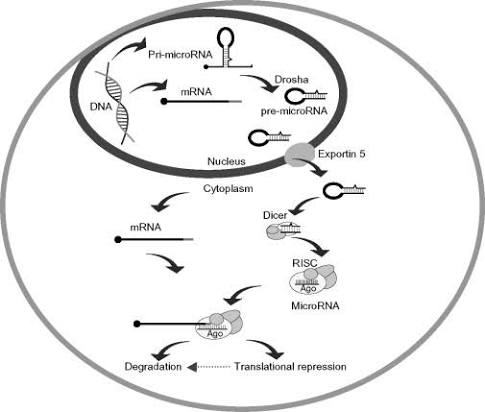
Several non-coding RNA molecules participate in the regulation of gene expression. MicroRNAs and other regulatory RNA species can influence RNA stability, translation, and cellular responses.
These different RNA categories demonstrate the complexity of genetic regulation and the importance of RNA in maintaining normal cellular functions.
4. DNA Replication, Transcription, and Translation
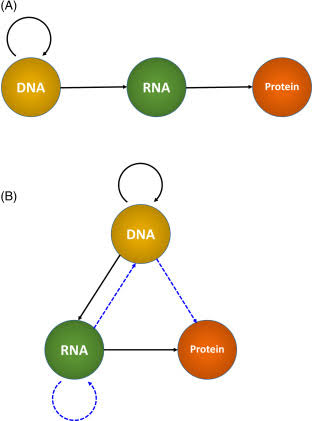
The relationship between DNA and RNA is central to molecular genetics. Genetic information is used through interconnected processes that support the production of functional proteins.
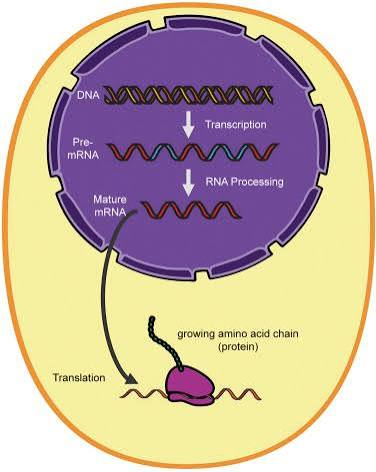
DNA replication allows genetic material to be copied before cell division. During transcription, RNA polymerase uses a DNA template to produce an RNA molecule. Translation subsequently uses messenger RNA information to assemble amino acids into proteins.
These processes are essential for cellular maintenance, biological development, and the regulation of physiological activities.
Understanding the mechanisms involved in genetic information transfer provides important foundations for investigating molecular interactions and identifying alterations that may affect cellular function.
5. Modern Technologies for DNA and RNA Analysis
Advances in molecular biology have introduced numerous technologies for studying nucleic acids with improved sensitivity and analytical precision.
Several techniques are widely used in contemporary genetic research:
Polymerase Chain Reaction (PCR): Amplifies specific DNA sequences to facilitate molecular investigation.
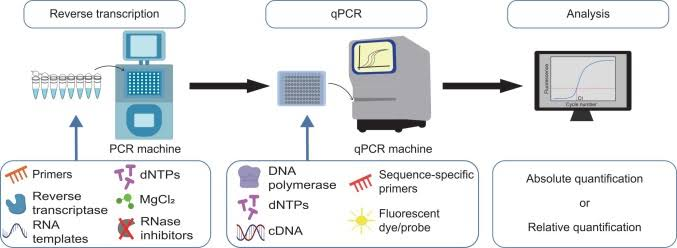
Quantitative PCR (qPCR): Measures DNA amplification in real time and supports quantitative molecular analysis.
Reverse Transcription PCR (RT-PCR): Converts RNA into complementary DNA before amplification.
DNA Sequencing: Determines the nucleotide order within DNA molecules.
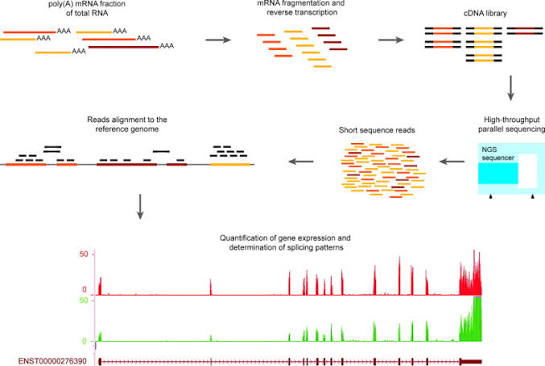
RNA Sequencing (RNA-seq): Examines RNA populations to investigate gene expression and transcript diversity.
Gel Electrophoresis: Separates nucleic acid fragments according to their size and other molecular characteristics.
The selection of an appropriate analytical method depends on the research objective, sample characteristics, and type of genetic information being investigated.
6. The Importance of Genetic Variation
Genetic variation refers to differences in DNA sequences between individuals, populations, or biological samples. These variations contribute to biological diversity and can influence the characteristics of living organisms.
Variations may include single-nucleotide changes, insertions, deletions, and larger structural modifications. Their identification helps researchers investigate genetic inheritance, biological adaptation, and molecular mechanisms associated with different conditions.
Modern sequencing technologies and bioinformatics tools have improved the detection and interpretation of genetic variations. These developments provide valuable opportunities for studying genome organization and understanding the relationship between genetic information and biological characteristics.
7. The Role of RNA in Gene Expression
Gene expression describes the process through which genetic information is used to produce functional RNA molecules and proteins.
RNA plays a central role in this process by participating in transcription, protein synthesis, and gene regulation. Changes in RNA abundance can provide information about cellular responses, biological activity, and molecular mechanisms.
Gene expression analysis is frequently performed using quantitative reverse transcription PCR and RNA sequencing. These methods allow researchers to investigate differences in transcript levels across experimental conditions.
RNA-based investigations are particularly valuable in molecular biology, cancer research, developmental biology, and pharmaceutical studies.
8. Applications in Biotechnology and Biomedical Research
DNA and RNA technologies have become important components of scientific research and technological development.
Molecular Diagnostics
Nucleic acid analysis supports the identification of specific genetic sequences and the investigation of molecular markers. These approaches contribute to the development and evaluation of diagnostic methodologies.
Pharmaceutical Research
Genetic and RNA-based investigations help researchers examine molecular targets, biological pathways, and potential therapeutic mechanisms.
Biotechnology Development
DNA manipulation, gene expression systems, and molecular characterization contribute to the development of biological products and innovative research applications.
Genomic Research
Sequencing and computational analysis enable the investigation of genetic diversity, genome organization, and molecular evolution.
Personalized Medicine Research
The study of genetic variation and gene expression contributes to research exploring differences in biological responses and potential approaches to more individualized healthcare.
9. Challenges in DNA and RNA Research
Despite considerable technological progress, molecular genetic research continues to face several challenges.
DNA and RNA molecules can be sensitive to environmental conditions, sample handling, and degradation. Maintaining sample integrity is therefore essential for obtaining reliable analytical results.
Other important considerations include:
Preventing contamination during sample preparation.
Ensuring nucleic acid purity and concentration.
Selecting suitable extraction and amplification methods.
Controlling experimental variability.
Managing and interpreting large genomic datasets.
Maintaining reproducibility throughout laboratory procedures.
Addressing these challenges requires appropriate laboratory practices, validated analytical protocols, and careful interpretation of experimental findings.
Future Perspectives in Molecular Genetics
The continuous development of sequencing platforms, molecular detection technologies, and computational analysis is creating new opportunities for DNA and RNA research.
Emerging approaches such as long-read sequencing, single-cell transcriptomics, and advanced bioinformatics are allowing scientists to investigate genetic information with increasing levels of detail.
RNA-based technologies are also expanding research possibilities in gene regulation, molecular therapeutics, and biological engineering.
As analytical capabilities continue to improve, the integration of molecular experimentation and computational interpretation will remain essential for advancing genetic knowledge and understanding biological complexity.
Conclusion
DNA and RNA are fundamental to the storage, transmission, expression, and regulation of genetic information. Their investigation provides essential insights into cellular mechanisms, biological diversity, and molecular interactions.
Through advances in PCR, sequencing, gene expression analysis, and bioinformatics, modern genetics continues to expand the possibilities of molecular research.
A comprehensive understanding of nucleic acid structure and function remains essential for scientific progress across biotechnology, biomedical research, molecular diagnostics, and pharmaceutical development.